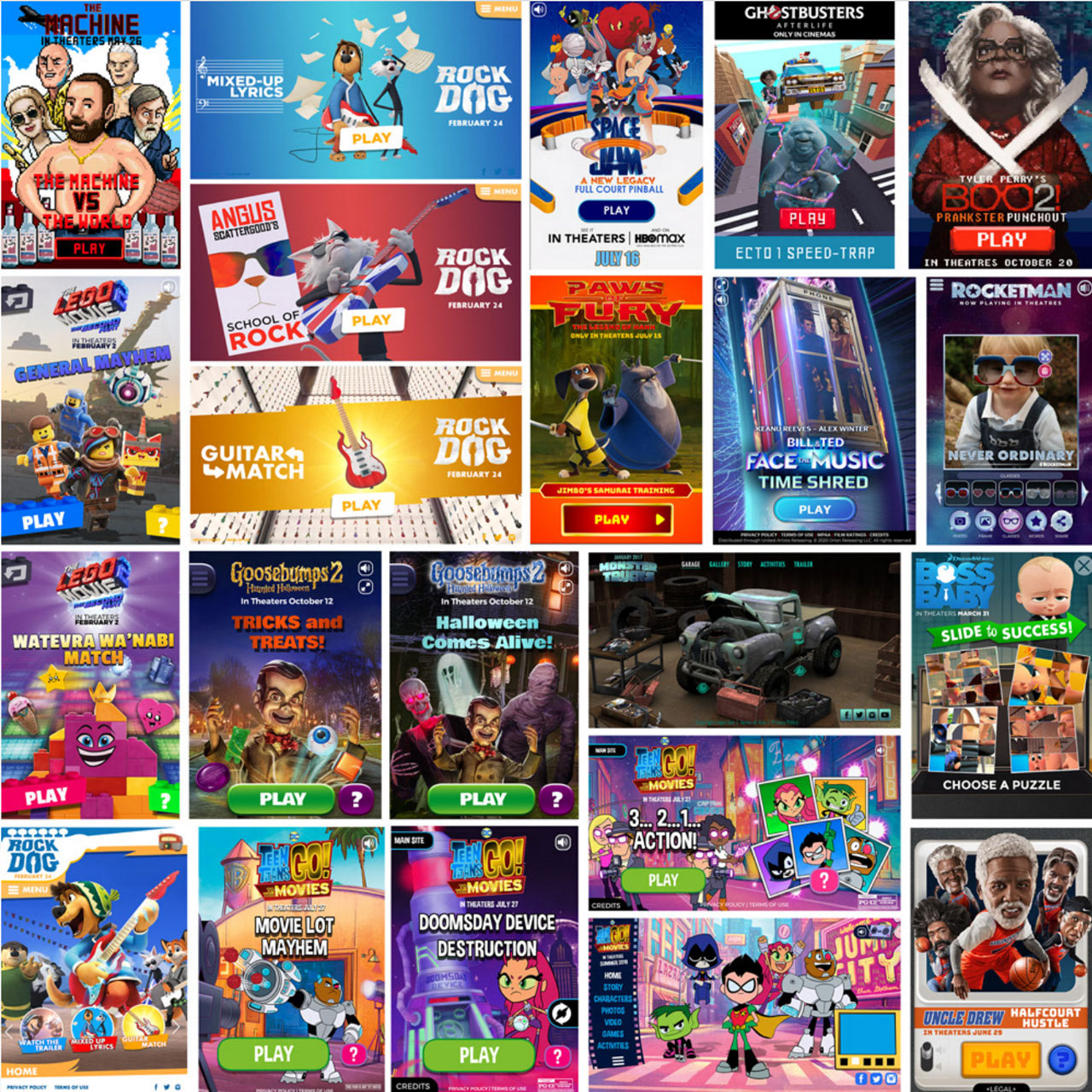
My ten years at Knowledge Adventure marked the beginning of my journey as a creative leader.
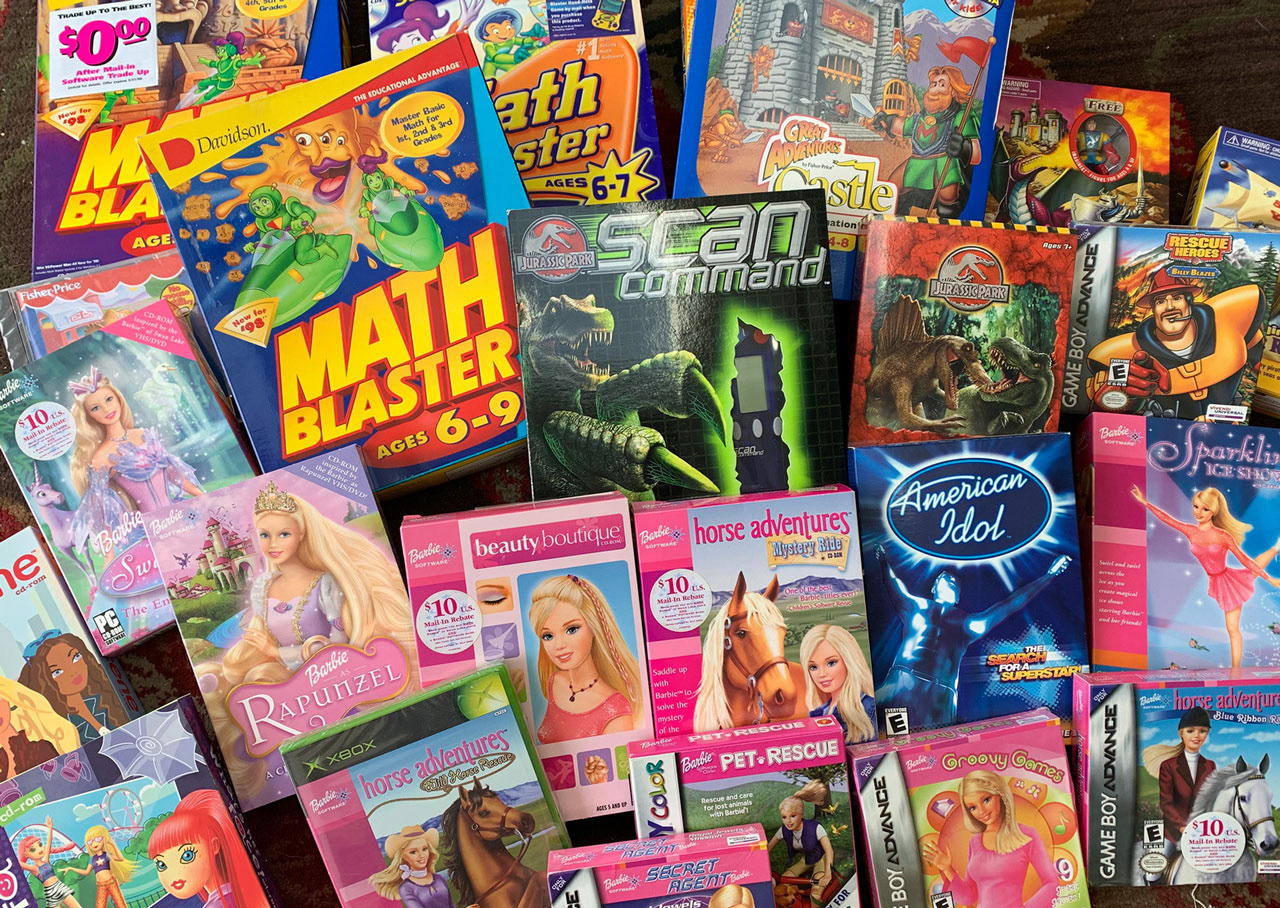
I joined as a Lead Artist and, over the course of a decade, grew into Department Head and Creative Director, eventually leading a team of 28 artists responsible for the visual development of some of the most recognizable educational software brands of the era, including JumpStart, Math Blaster, Reading Blaster, and Barbie.
During my tenure, I helped deliver 22 published titles, established production standards that improved both quality and efficiency, and discovered that my greatest professional fulfillment came not from creating artwork myself, but from building teams capable of creating exceptional work together.
The Challenge
Educational software, or "Edutainment" occupied a unique space between entertainment and learning.
Children expected experiences that were imaginative, engaging, and fun, while parents and educators expected meaningful educational outcomes. Some people refer to this period of educational software as "broccoli and bullets", but from the insidee, we constantly strove to build products where the entire experience engaged and enlightened kids.
Every product required balancing pedagogy, usability, storytelling, and visual appeal within the technical constraints of CD-ROM-era development and increasingly ambitious production schedules.
As the product portfolio expanded, maintaining consistency across multiple teams became just as important as producing great artwork.
My Role
Lead Artist → Department Head / Creative Director
Over ten years, my responsibilities evolved from hands-on production to creative leadership across multiple products and teams.
-My responsibilities ultimately included:
- Leading and mentoring a department of 28 artists
- Recruiting and developing creative talent
- Establishing production standards and workflows
- Defining visual direction across multiple product lines
- Collaborating with designers, producers, writers, engineers, and educators
- Balancing creative quality with production schedules
- Reviewing work and coaching artists throughout development
- Supporting multiple simultaneous product launches
Building a Creative Organization
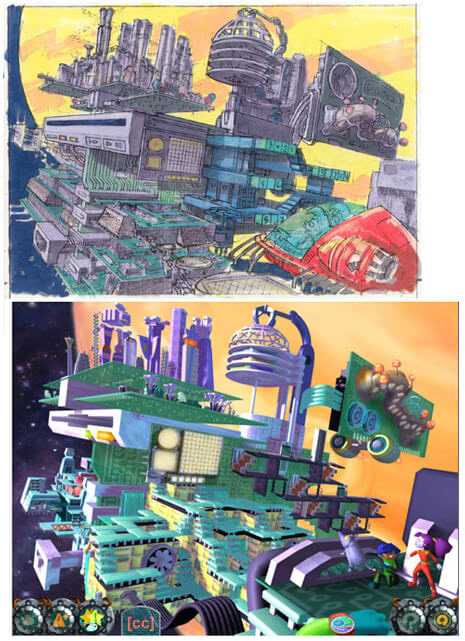
As the department grew, one of my priorities became creating systems that allowed artists to work more effectively together, such as the training I created for our internal proprietary animation tools and taught in LA and two our two satellite companies on the east coas.
Rather than relying on individual heroics, I introduced standardized workflows, asset organization, training practices, and creative review processes that improved consistency while reducing production bottlenecks.
These operational improvements enabled the team to deliver increasingly ambitious projects without compromising quality.
More importantly, they created an environment where artists could learn from one another and continue developing their craft.
Creating Products That Made Learning Fun
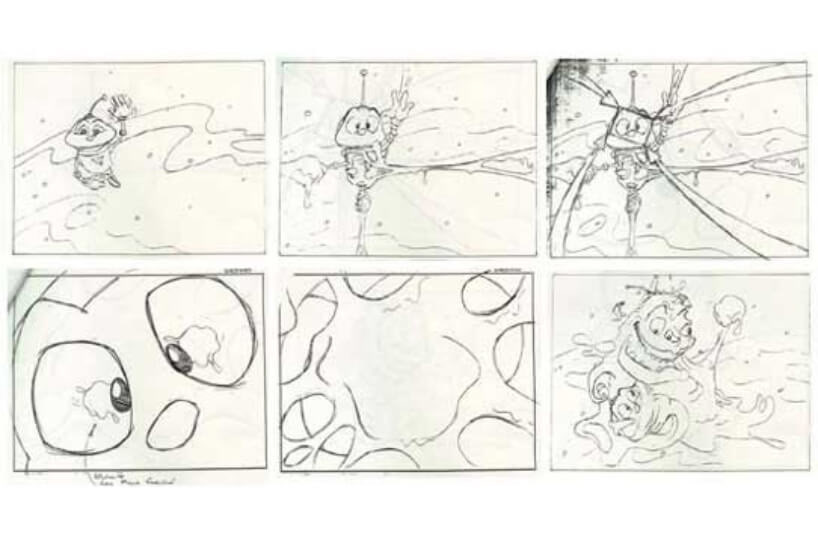
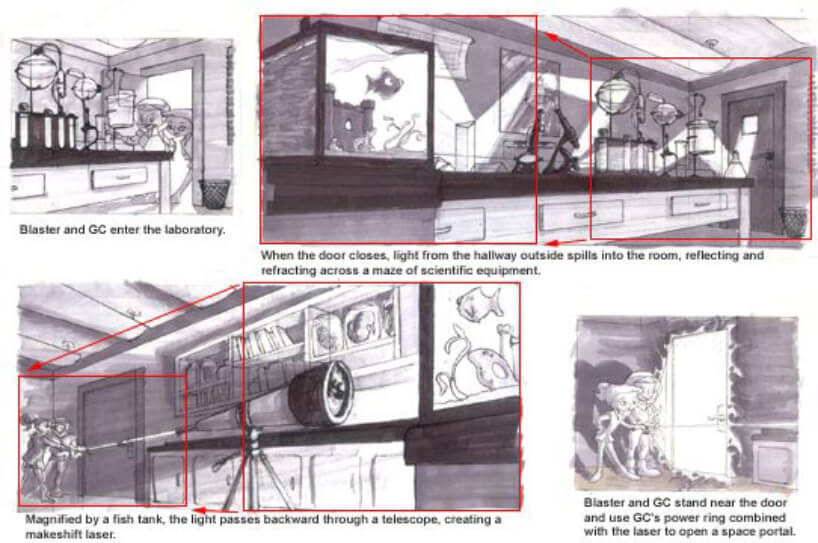
Knowledge Adventure's success depended on making education feel like play.
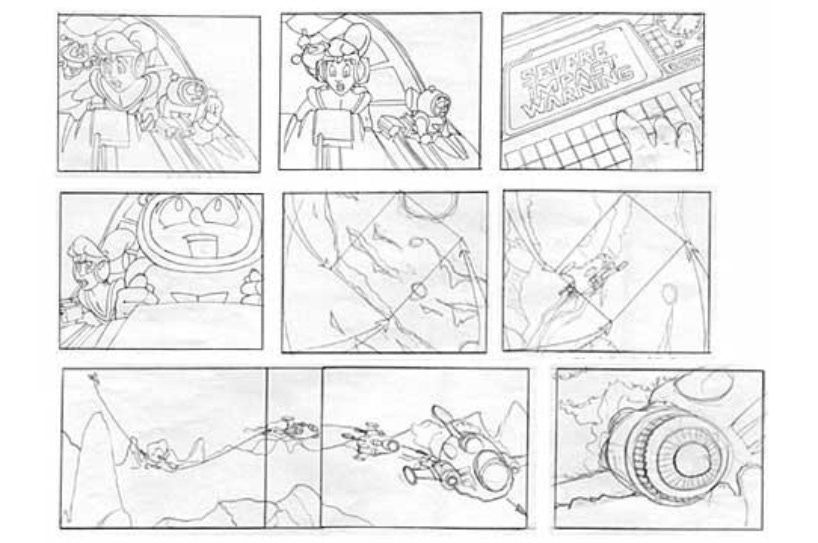
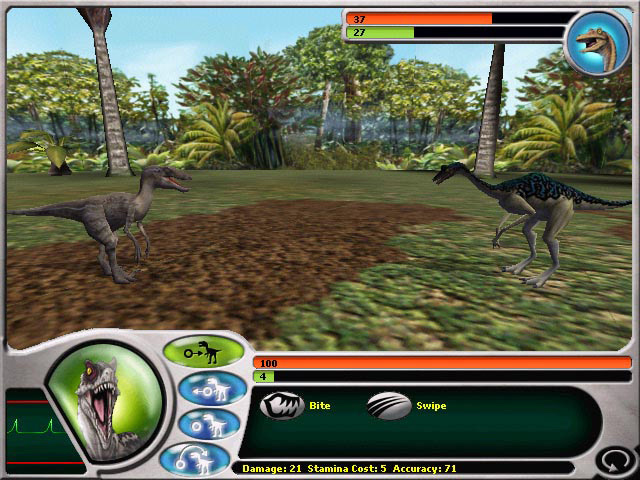
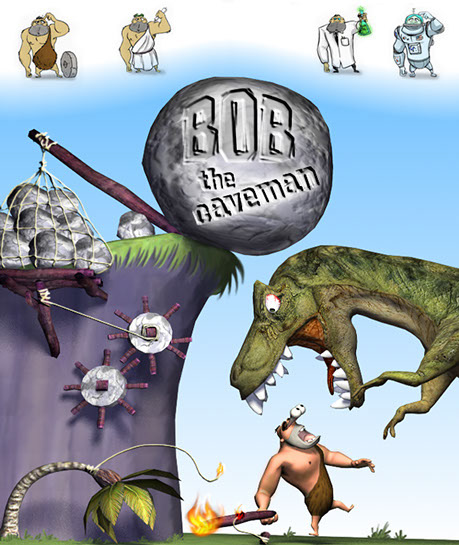
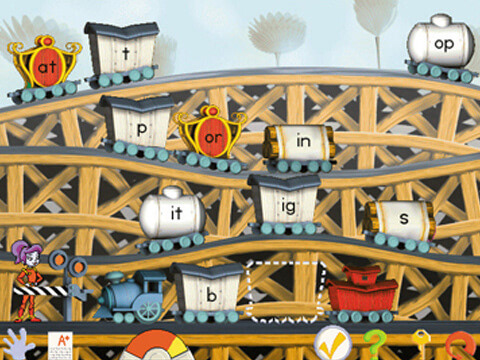
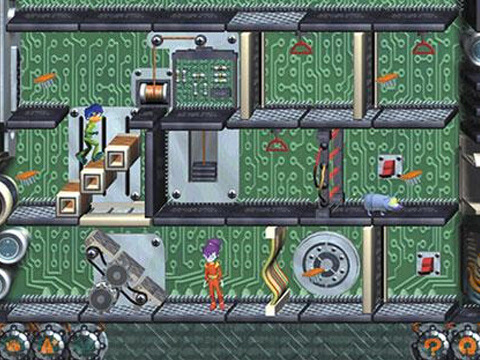
Working across franchises such as JumpStart, Math Blaster, Reading Blaster, and Barbie, our teams designed worlds that encouraged curiosity, exploration, and confidence rather than simply presenting educational content.
Every visual decision supported a larger goal: helping children enjoy learning enough that they wanted to come back.
That philosophy helped establish these products as enduring brands for families and classrooms alike.
Developing Future Leaders
One of the most rewarding aspects of this role was mentoring artists as they advanced in their own careers. Artists from my time at Knowledge adventure have gone on to lead teams at Naughty Dog, become senior artists on Disney digital teams and direct television shows for Disney.
As the department expanded, I increasingly measured success not only by the products we shipped, but by the confidence, capability, and growth of the people creating them.
Many of the leadership practices I developed here—clear expectations, constructive feedback, shared ownership, and continuous learning—have remained central to my approach ever since.

Results
- Progressed from Lead Artist to Department Head over a ten-year career
- Led and mentored a creative department of 28 artists
- Directed visual development across 22 published titles
- Improved production efficiency through standardized creative workflows
- Delivered successful educational software for globally recognized brands
- Helped establish a collaborative creative culture focused on quality, learning, and continuous improvement
Executive Takeaway
My first experience leading a large creative department taught me that investing in people scales further than investing in process alone.
Training artists, standardizing workflows, and mentoring emerging leaders improved both the quality of the work and the health of the organization.
I've carried that lesson into every leadership role since: sustainable creative excellence comes from building capable teams, not heroic individuals.